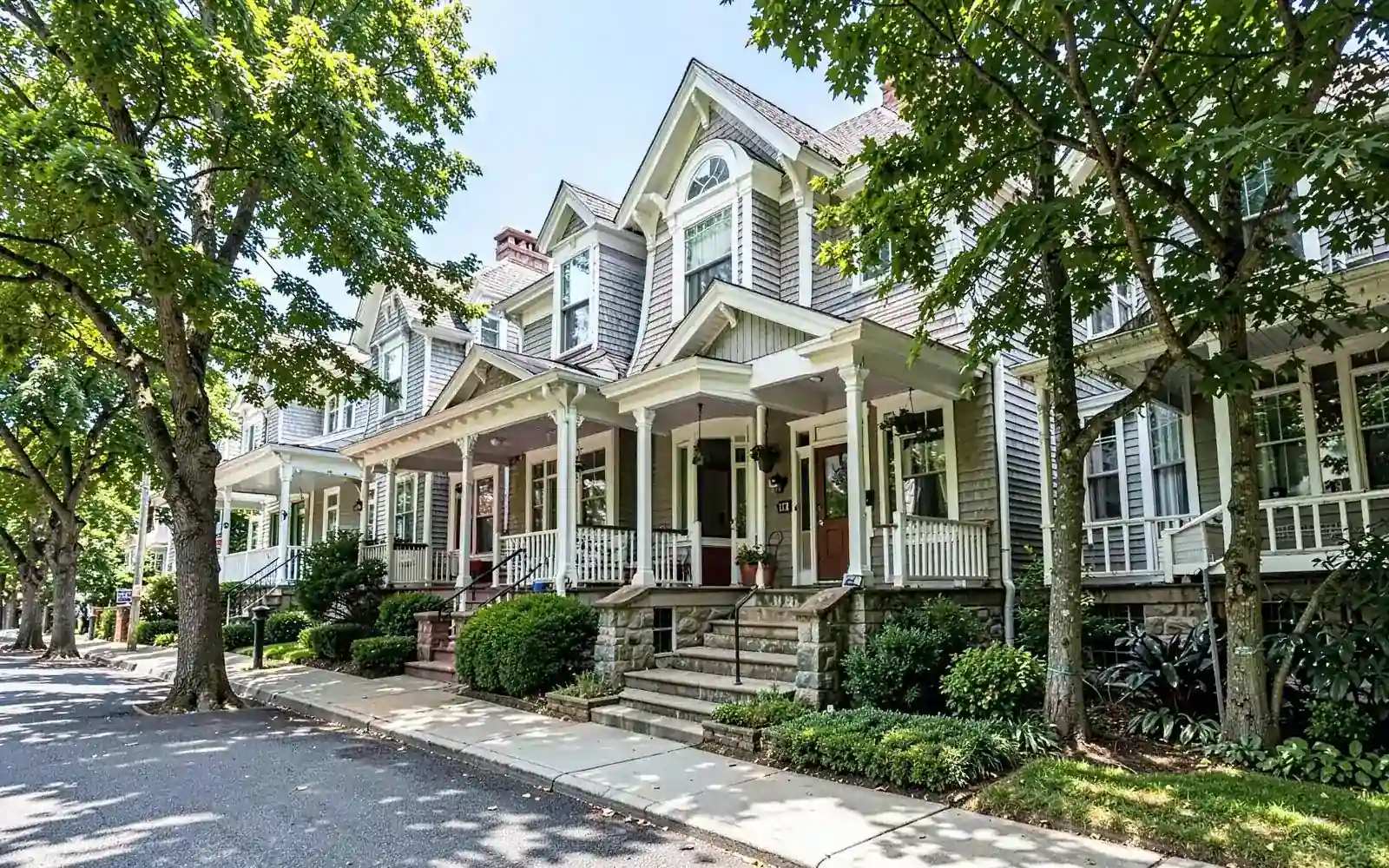
Newton Highlands, MA · Mobility Equipment
Stairlift & Ramp Installation in Newton Highlands, MA
JC Mobility Equipment provides custom in-home assessments, professional installation, and ongoing repair and maintenance for mobility equipment in Newton Highlands. Our factory-trained technicians evaluate your stairs, doorways, entryways, and other safety factors before recommending equipment.
- 20+ years of proven experience
- Certified, factory-trained technicians
- ADA-compliant assessments
Newton, MA More than mobility. It's peace of mind.
20+ years of experience
Two decades of hands-on installation experience
100% customer satisfaction
Thousands of installations completed
Factory-trained technicians
Manufacturer-compliant installation
24/7 repair line
For qualifying mobility equipment
What does an accessibility needs assessment include?
Our in-home accessibility assessment looks at how the resident moves through the property and where stairs, entrances, bathrooms, or changes in elevation create difficulty.
We review mobility and transfer needs together with staircase dimensions, doorway clearance, landing space, electrical access, and exterior approaches. Based on those conditions, we can determine whether stairlifts, wheelchair ramps, platform lifts, home elevators, bathroom safety equipment, or another accessibility solution should be considered.
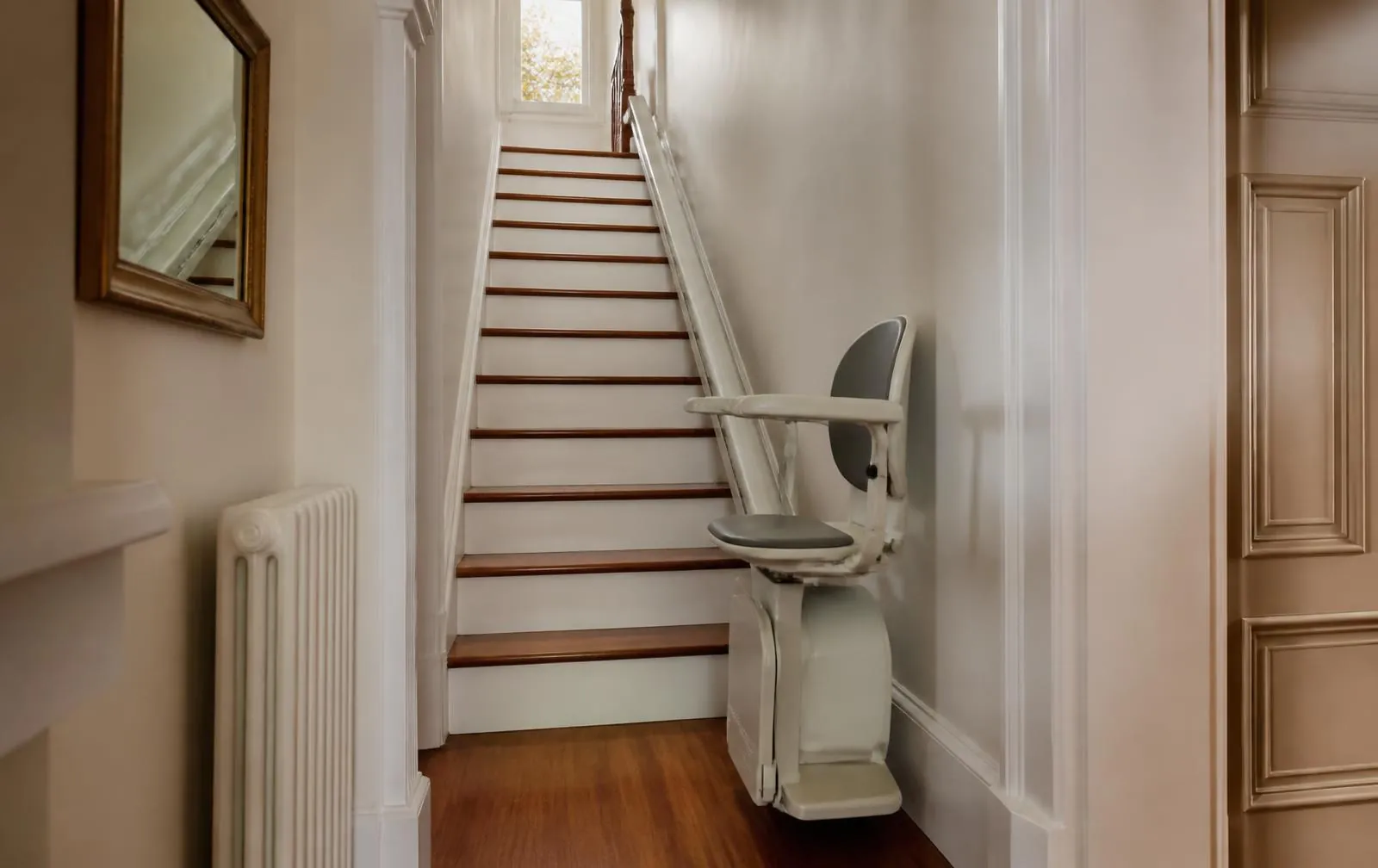
What should homeowners know about accessibility upgrades in Newton Highlands homes?
Homes in Newton Highlands vary considerably in age and layout. Older staircases, multi-level floor plans, elevated entrances, narrow halls, and limited exterior space can affect the type of mobility equipment that can be installed.
Before recommending a product, we measure the areas involved and identify structural, electrical, and clearance requirements. This is particularly important for stairlift installation, wheelchair ramp installation, and residential wheelchair lifts, where small differences in space can significantly affect equipment selection.
How is the right mobility equipment selected?
The appropriate solution depends on both the property and the person using it.
Someone who can transfer independently may benefit from a straight or curved stairlift, while a wheelchair or scooter user may require a ramp or vertical platform lift. For access between multiple floors, a residential home elevator may also be considered.
Bathroom accessibility can include professionally installed grab bars, shower seating, transfer equipment, and other safety products.
We compare the practical options based on mobility needs, available space, equipment capacity, installation requirements, and budget before recommending a system.
What local building considerations affect installation in Newton Highlands?
Stair width, landings, exterior grades, doorways, electrical access, and structural support all influence accessibility equipment installation.
For wheelchair ramps, we evaluate the total rise, available run, landing areas, drainage, and safe transitions. For stairlifts, we measure the staircase and confirm boarding and exit clearance. Platform lifts and home elevators require additional review of travel height, foundations or structural support, electrical service, and landing access.
We also identify situations where local permits, inspections, or licensed trade work may be required before installation.
How do you test equipment and train users after installation?
Every installed system is tested for normal operation and applicable safety functions before handover.
Depending on the equipment, this may include controls, brakes, sensors, gates, batteries, charging systems, emergency lowering, and mobility-device securement.
We then demonstrate proper use and routine visual checks to the homeowner or caregiver and explain recommended maintenance and service intervals.
Our service area
JC Mobility Equipment is based in Newton, MA and installs mobility equipment across Newton and Greater Boston.
Nearby Newton villages we serve
JC Mobility Equipment serves Newton and the surrounding Greater Boston communities.
Frequently asked questions
What types of mobility equipment can be professionally installed in a home?
We install straight and curved stair lifts, outdoor stair lifts, wheelchair ramps, threshold ramps, vertical platform lifts, and other accessibility equipment. We assess stair dimensions, entryways, floor levels, electrical access, and the user's mobility needs before recommending a system.
Our factory-trained technicians follow the manufacturer's installation requirements and can provide repair and maintenance after installation. An in-home assessment also helps us identify custom-fit solutions for older homes or unusual layouts.
Do I need a permit to install a wheelchair ramp or stair lift in Newton Highlands?
A stair lift mounted to an existing staircase often does not require a building permit, but electrical work or structural changes may trigger local requirements. A permanent wheelchair ramp can require permits, zoning review, or building-code compliance, especially when it affects stairs, landings, property lines, or public rights of way.
We review the proposed installation and help identify questions for the City of Newton's Inspectional Services Department. Permit requirements can vary by property and project scope, so we confirm them before work begins.
How long does it typically take to install a stair lift or wheelchair ramp?
A standard straight stair lift may take several hours to install once the equipment arrives and the site is ready. Curved stair lifts usually require more preparation because technicians build the rail to match the staircase.
Ramp installation time depends on the ramp length, rise height, surface, landings, and permit requirements. We offer same-week scheduling when availability allows, including priority service for customers preparing for hospital discharge or recovering from an injury.
Can mobility equipment be installed in older homes with narrow stairways or limited space?
Often, yes. We measure the staircase, landings, doorways, floor transitions, and available clearance to determine whether a compact stair lift, folding rail, platform lift, or custom ramp will work safely.
Narrow stairs may limit seat width, parking locations, or usable walking clearance. We explain those tradeoffs during the assessment rather than recommending equipment that does not fit the home or the user.
What safety standards should a residential wheelchair ramp or stair lift meet?
A wheelchair ramp should provide a suitable slope, stable and slip-resistant surfaces, secure handrails where required, edge protection, level landings, and adequate clearance. We design installations around applicable Massachusetts building requirements and manufacturer specifications.
A stair lift should include secure rail attachment, obstruction sensors, a functional seat belt, controlled movement, safe stopping, and reliable charging or battery backup. We test the equipment after installation and can provide preventive maintenance and safety inspections.
Does insurance or Medicare cover the cost of mobility equipment installation?
Original Medicare generally does not cover most stair lifts or standard wheelchair ramps because it usually classifies them as home improvements or convenience equipment. Medicaid, Medicare Advantage plans, veterans' benefits, workers' compensation, and private insurers may offer limited assistance under specific conditions.
We provide itemized estimates and support documentation for prior authorizations, insurance claims, and eligible benefit programs. Coverage depends on the plan, medical necessity, homeowner or rental status, and the equipment selected, so customers should confirm benefits directly with their insurer.
Ready for a safer, more accessible home?
JC Mobility Equipment provides in-home assessments, upfront pricing, and factory-trained installation across Newton and Greater Boston.Call Us